The tool wasn't the problem. The design was.
At one company I worked with, the mandate was straightforward: get the whole team using AI. They ran a full-day session, bought the licenses, handed out the handouts. Three months later, usage had dropped to almost zero.
The training wasn't bad. The design was wrong. Executives, managers, and frontline staff don't have the same AI challenge — and one session can't fix all three.
We're a team based in Ho Chi Minh City that runs its own business on AI every day. We teach what we actually use — in English, Japanese, and Vietnamese.
These are the three situations I see most often. None of them means AI won't work in your organization — they just mean the design needs to be different for each one.
Honest observation
This is a leadership alignment gap, not a technology problem. When executives haven't been trained on what AI can and can't do, they can't set realistic expectations for the team. The frontline takes the pressure and doesn't know where to start.
Honest observation
Buying a tool is not a workflow change. At one company I visited, they had ChatGPT accounts for 40 people. When I asked what they were using it for, most said: "Sometimes to write emails." The tool was there. The workflow design wasn't.
Why it happens
This isn't a motivation problem. When workload spikes, everyone reverts to habit — that's just how people work. If the training didn't specify which task in which workflow gets replaced by AI, there's no new habit to revert to. One-off sessions don't create behavioral change.
AI produces averages. That means humans need to be the ones who can say "that's wrong."
A 25-year veteran and a new hire have completely different AI challenges. The veteran's value is knowing when the AI output is off. The new hire's challenge is building judgment before they can evaluate AI at all. Running them through the same session wastes both.
Most vendors will help you get it running. Almost none of them are still in the room six months later when something breaks — or when it works so well it breaks something else.
These are the formats we run most often. The content, depth, and number of sessions change every time based on your team's situation. Not sure which fits? Start with a 30-minute call — I'll ask what's actually happening and we'll figure it out together.
Each level gets different content. Leadership gets AI decision-making frameworks. Managers get team adoption design. Frontline gets workflow-specific prompts they can use the next morning. Each layer builds on the previous one.
The session ends with a defined "what changes tomorrow" for each participant — not just a list of tools.
"Visualize before you build" — describing the output before prompting. This is the habit that separates people who get useful AI output from people who get generic AI output. Sessions 1–3 cover prompt design and output evaluation. Sessions 4–6 cover workflow integration.
Led by Shin (Uchiha Shin, COO) — someone who runs his own daily operations on AI systems, not slides about AI systems.
"Using AI" and "running AI agents" are different things. The first is Q&A. The second means the system is gathering information, organizing it, and preparing decision inputs while you're doing something else.
Two sessions per month, 1-on-1 with SHOGO. We start from how I've built agents for my own management workflows, then redesign them around your specific decision processes. Not theory — we build and run it together.
For Japanese companies with Vietnamese staff, or Vietnamese companies working with Japanese clients. At one engagement I ran in Ho Chi Minh City, half the room was Vietnamese engineers, half Japanese managers. The AI collaboration gaps between them weren't language — they were workflow assumptions. We run sessions that surface those gaps explicitly.
Delivery available on-site in Ho Chi Minh City and Tokyo. Japanese SMBs may also be eligible for up to 75% subsidy via Japanese government training programs (人材開発支援助成金) — ask us.
The Difference
Both are called "AI training." One month later, the results are completely different.
Everyone who delivers our training uses AI in their own work every day — not as a demonstration, but as infrastructure. Japanese, English, and Vietnamese delivery available. On-site in Ho Chi Minh City and Tokyo.
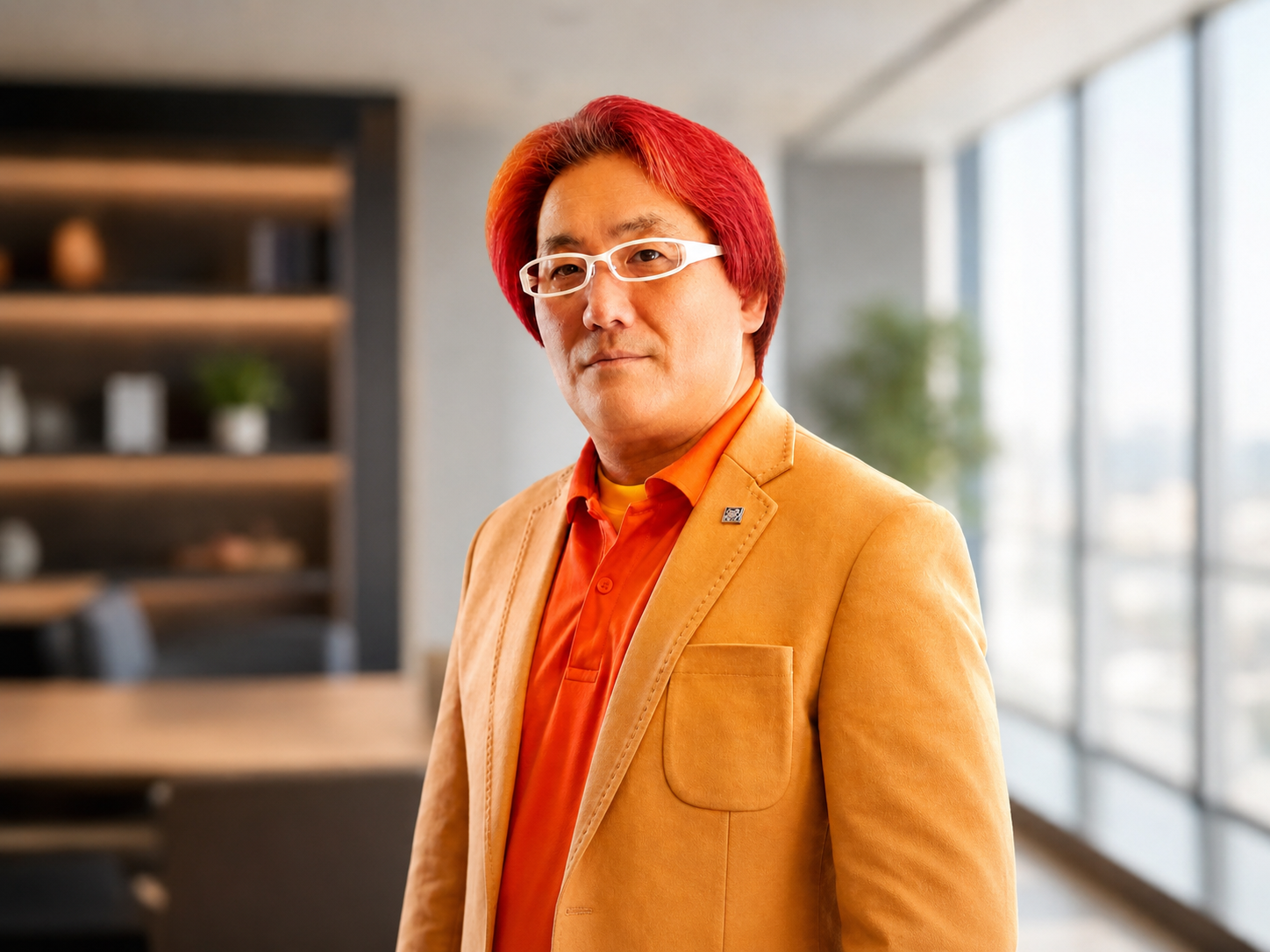
CEORepresentative Director · Ho Chi Minh City
Ho Chi Minh City-based. I lead a Japanese-Vietnamese team and run the business on AI — not occasionally, but as the actual infrastructure. My approach always starts with "why use AI" as the decision framework, not the tools themselves. I can say that because I got it wrong in my own company first.
Come to this thinking of it as a business conversation, not a training session.
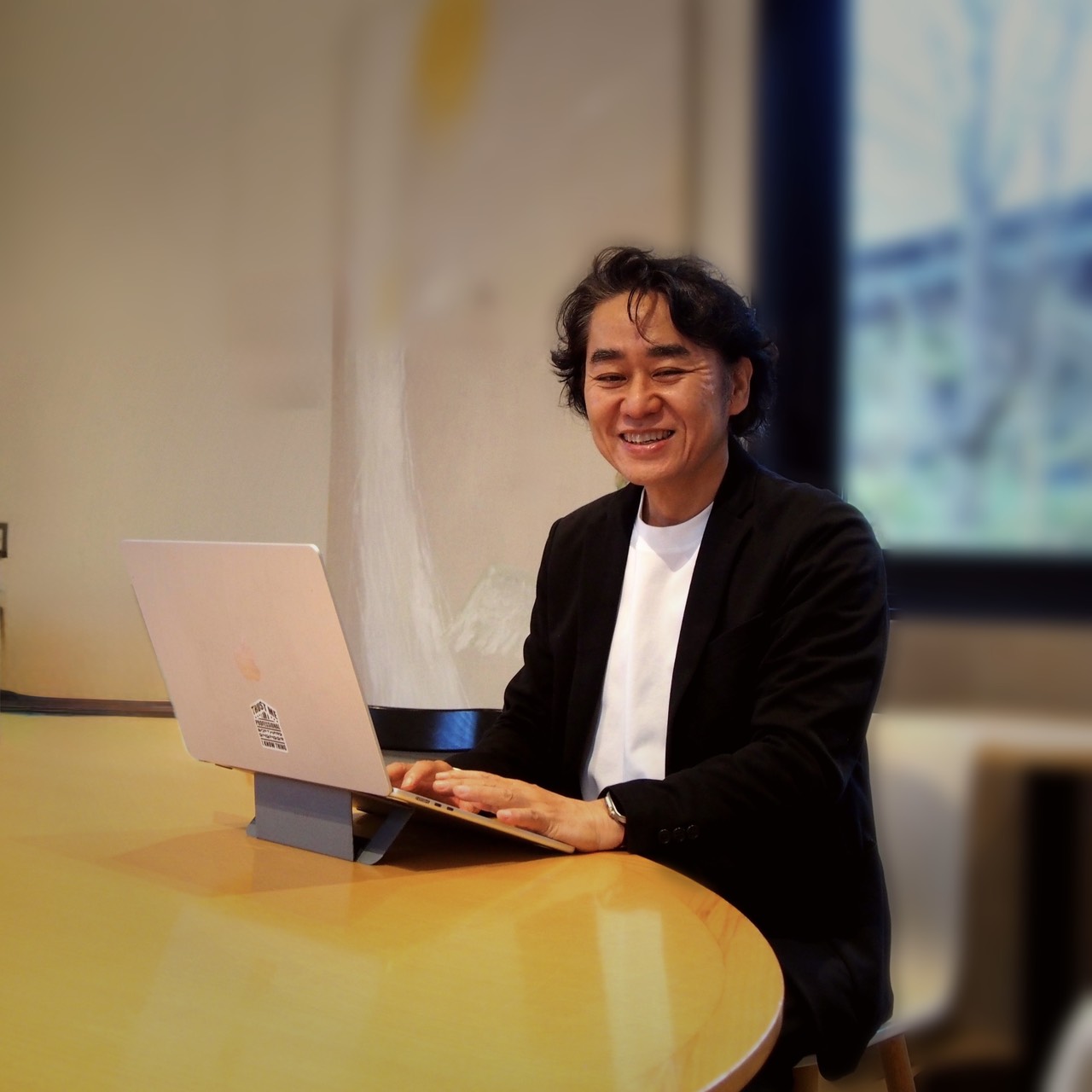
COOChief Operating Officer
Shin runs the Practical Skills Program. He designed the "Visualize to Realize" curriculum from the actual friction points he hit when rolling out AI inside our own operations.
He's the person I trust to sit with a team that's never used AI seriously and get them to a usable state in six sessions.
CTOCTO · Ho Chi Minh City
Dang covers the technical integration side — when a team's AI questions cross into "how does this actually connect to our systems," he's the one in the room.
Particularly valuable for engineering teams and for Vietnamese-language delivery in mixed Japanese-Vietnamese organizations.
Most companies just need the training and nothing else — that's a complete engagement. But at some companies, the training session surfaces a workflow problem that turns out to be a systems problem. When that happens, we have the development capacity to build it.
A dedicated development team in Ho Chi Minh City — senior engineers who have shipped AI integrations for clients in Japan and Southeast Asia, with a PM who speaks both the technical side and the business side. Development costs run roughly 30% of an equivalent Tokyo engagement. The difference: we don't hand off and disappear. QA checkpoint before anything touches your production environment. Ongoing support from month one of go-live.
30-min call
We hear what's actually happening
Program design
Built around your team's actual workflow
Training
Each level gets different content
Follow-up
30 & 90-day check-ins (optional)
No hard upper limit. We've run sessions for teams of 5 and for groups of 60+. For groups above 100, we recommend splitting into sessions by seniority level — which is what we'd likely suggest anyway. The standard per-session target is under 25 for interactive depth.
Both. We're based in Ho Chi Minh City — on-site delivery in Vietnam is straightforward. We travel to Japan (Tokyo and surrounding areas) for multi-session engagements that justify the logistics. Online delivery works well for ongoing programs and for organizations with distributed teams.
Japanese, English, and Vietnamese — sometimes in the same session for mixed teams. For Japanese companies operating in Vietnam with local staff, we run bilingual sessions that bridge the gap explicitly, not just linguistically but in terms of working-culture assumptions about AI.
Every engagement is custom-built. Before any session, we ask about the tools you're already using, the specific workflows you want to change, and the AI maturity level of each participant group. A pharmaceutical company's workflow challenges look nothing like a manufacturing company's — and the training shouldn't either.
To prevent the pattern of "used it right after the session, then gradually drifted back" — we recommend designing follow-up in from the start, not as an afterthought. Optional check-in sessions at 30 and 90 days are available. For the CEO coaching program, it's an ongoing relationship by design — two sessions per month, content evolving as your AI infrastructure does. If training surfaces a workflow problem that needs development, our HCM-based team can build it at roughly 30% the cost of equivalent Tokyo development.
Measure first
Reaching out cold can feel like a big step. So before that, two free tools to see — right here — whether now is the right time for you, and how much your cost would change. Bring the result to a 30-minute session, and the conversation moves a lot faster.
Answer eight questions and we score your readiness, then send back three specific recommendations from your answers. Not “you should do this” — “here’s what to do, in your situation.”
Check your readiness → Cost calculator / instantEnter your team size and budget, and see how the next 12 months change — right here, with the reasoning behind the numbers laid out.
Calculate your cost →Maybe you're not sure which tier-based program fits — or whether your team needs training at all yet. Either is fine. In 30 minutes I'll ask what's actually happening in your organization, and we'll figure out the realistic next step together. No deck. We talk first.

I run my own company the way I tell clients to run theirs — AI in every workflow, not as a side project, but as the actual operating model. Almost no hour of my workday happens without AI in some part of it.
So when I train a team, I'm not teaching from a slide deck about AI potential. I'm sharing what I've already tried, where it broke, and what actually held up day to day.
We use cookies to improve your experience on our site. By using our site, you consent to cookies.
Manage your cookie preferences below:
Essential cookies enable basic functions and are necessary for the proper function of the website.
These cookies are needed for adding comments on this website.
Statistics cookies collect information anonymously. This information helps us understand how visitors use our website.
Google Analytics is a powerful tool that tracks and analyzes website traffic for informed marketing decisions.
Service URL: policies.google.com (opens in a new window)
Marketing cookies are used to follow visitors to websites. The intention is to show ads that are relevant and engaging to the individual user.
Google Maps is a web mapping service providing satellite imagery, real-time navigation, and location-based information.
Service URL: policies.google.com (opens in a new window)
You can find more information in our Cookie Policy and Privacy Policy.